A Guide to Butcher and Deli Case Liners: Celluliner, SureGrip, and Vexar
In the world of fresh meat and deli display, presentation, hygiene, and product integrity are paramount. The humble case liner plays a vital, yet often overlooked, role in maintaining these standards. Choosing the correct liner not only enhances the visual appeal of your products but also protects your expensive refrigerated cases from damage caused by moisture, blood, and fat.
Here is an overview of three popular types of deli and butcher case liners—Celluliner, SureGrip, and Vexar—detailing their differences and key benefits.

1. Celluliner (The Absorbent Workhorse)
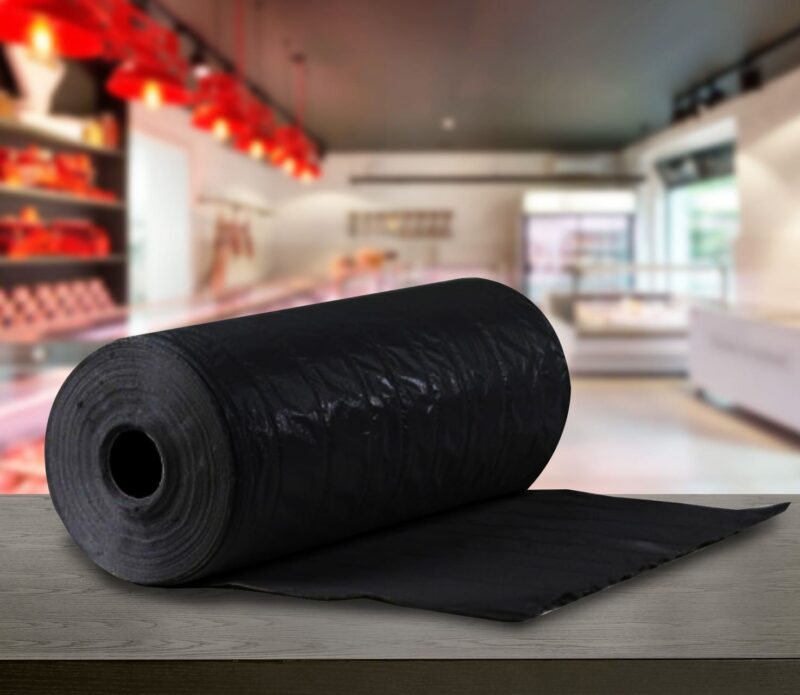
Celluliner is typically a multi-ply (often four-ply) paper-based product designed with a focus on absorption and moisture containment.
| Feature | Description |
| Material | Durable, multi-ply paper, often with a moisture-proof or leak-resistant backing. |
| Primary Benefit | Excellent absorbency of purge (blood/liquid) from meat and seafood. |
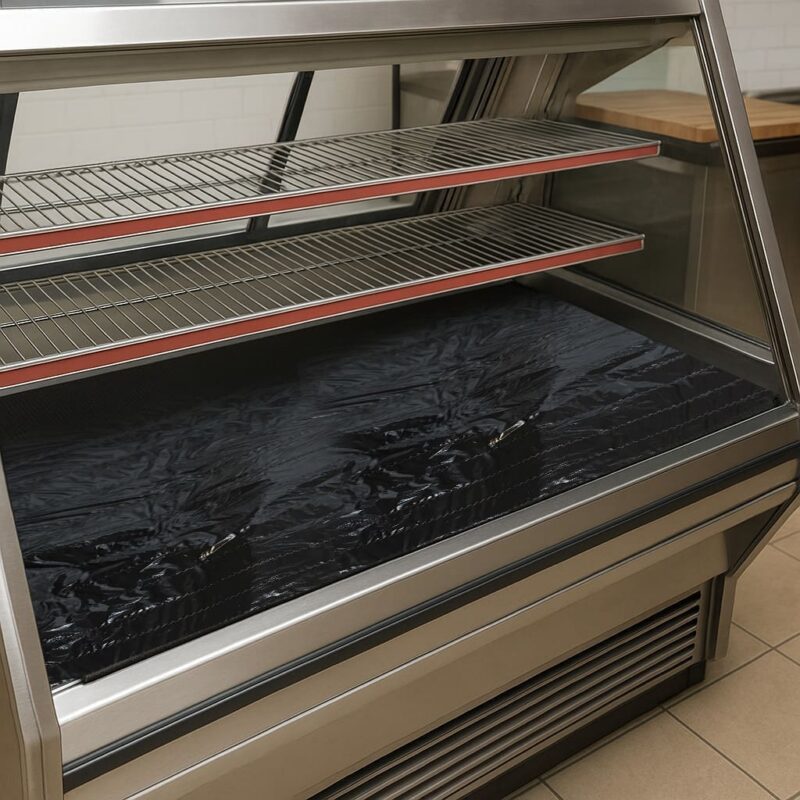
| Texture/Look | Smooth paper finish, often available in white or black. |
| Best For | High-purge products like fresh poultry, red meat, and seafood, or wherever significant liquid containment is needed. |
| Key Advantage | Protects the refrigeration unit by containing liquids, reducing odor, and maintaining a clean, professional look that doesn’t slide. |
Key Benefits of Celluliner:
- Superior Leak Protection: The layered design draws liquid away from the product, preventing it from pooling and potentially damaging the case’s interior.
- Odor Control: By containing the purge, it minimizes the metallic or “off” smells associated with stored raw meat, contributing to a fresher environment.
- Enhanced Presentation: A clean, dry surface, particularly a solid color like black, provides a sharp contrast that makes the fresh color of the meat or fish stand out.
2. SureGrip (The Non-Slip Mat)
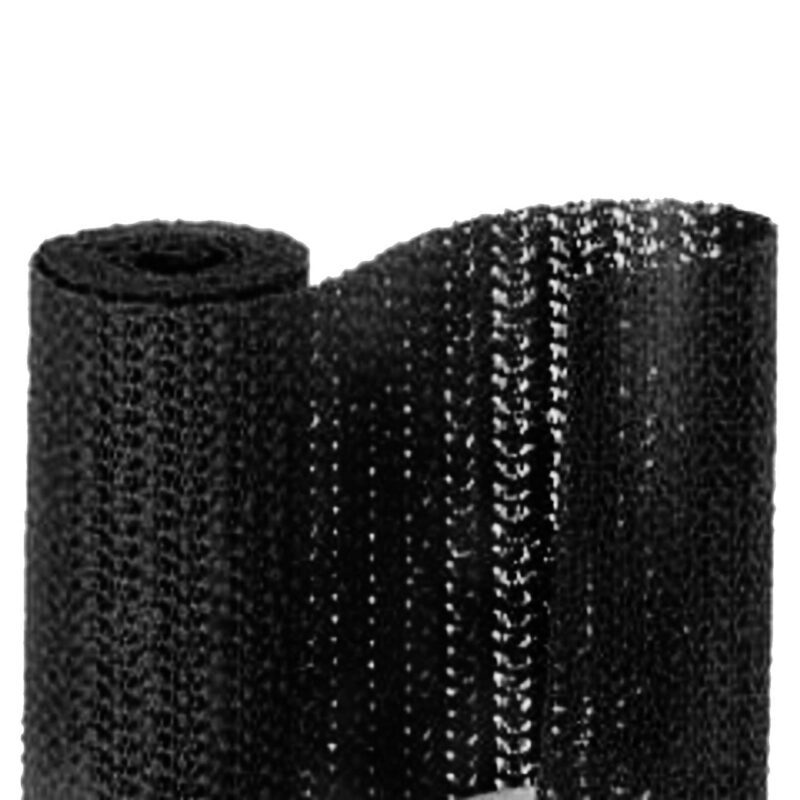
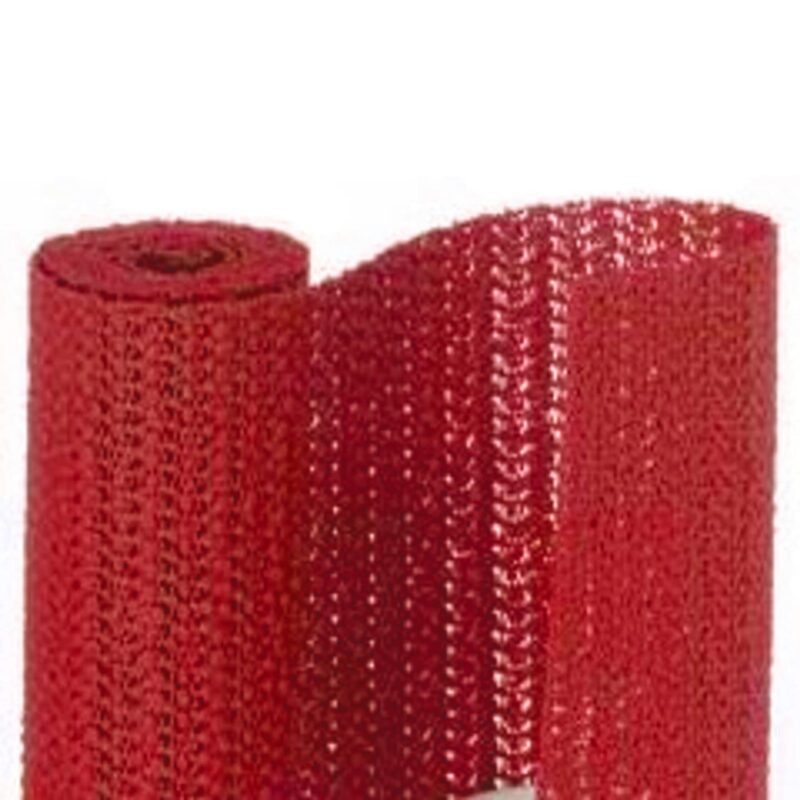
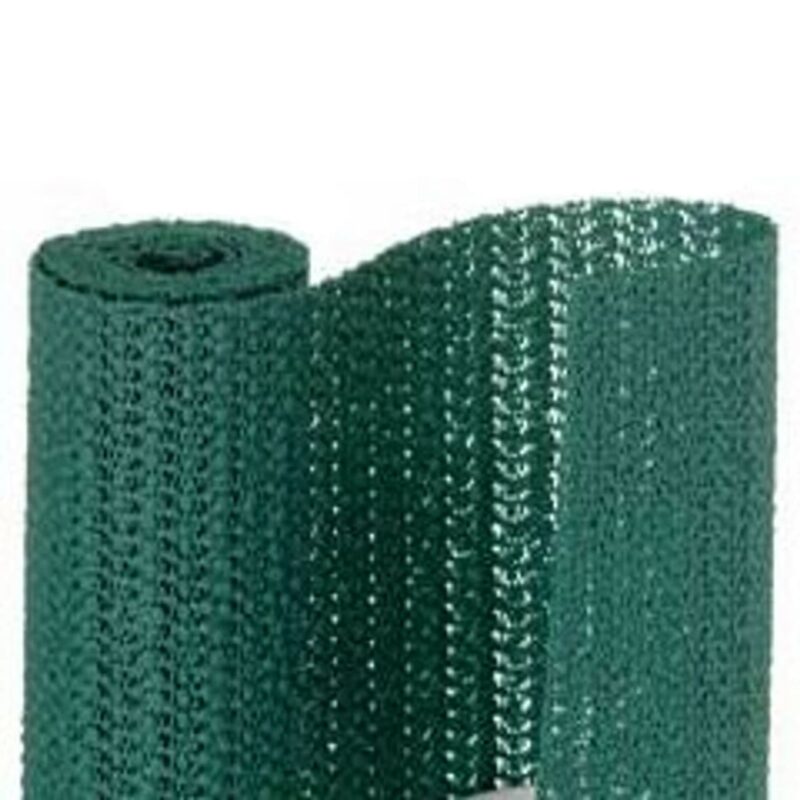
SureGrip (sometimes referred to by similar trade names like Air Grip) is characterized by its textured, non-slip surface. While it often has some absorbent qualities, its main feature is its physical structure.
| Feature | Description |
| Material | Usually a paper or plastic-backed product with a pronounced texture or “grip” pattern. |
| Primary Benefit | Provides a secure, non-slip surface for displaying products. |
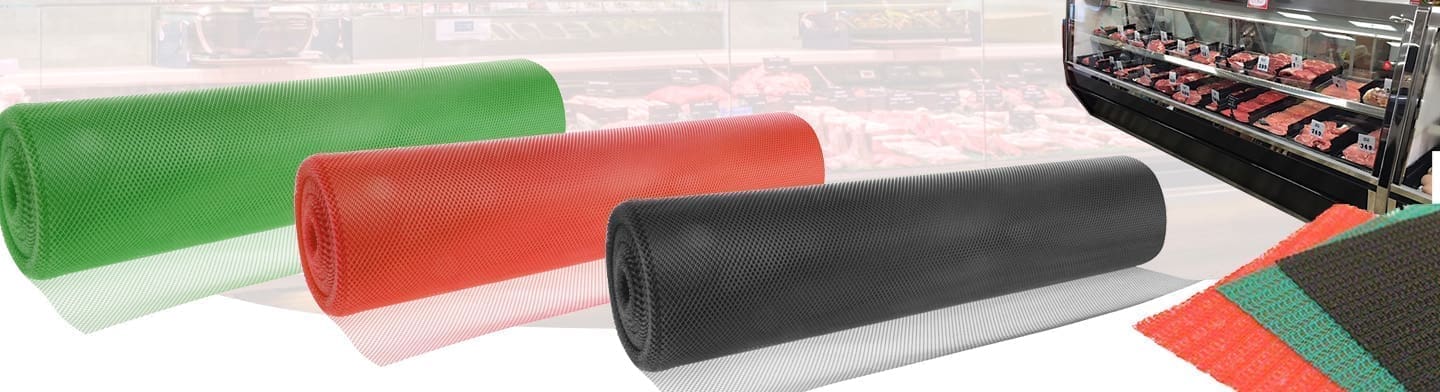
| Texture/Look | Woven, textured, or embossed pattern (like small squares or grooves), often in traditional colors like red, green, or black. |
| Best For | Delicatessen items, cheeses, cured meats, and pre-packaged trays that need to stay firmly in place on a sloped or refrigerated shelf. |
| Key Advantage | Prevents products from sliding or shifting when customers browse or when staff restock, ensuring display stability and safety. |
Key Benefits of SureGrip:
- Product Stability: The textured surface grips the bottom of deli containers or trays, preventing them from bunching up, tipping over, or sliding down inclines in the case.
- Visual Appeal: The structured, often wicker-like pattern adds a sophisticated, traditional “butcher shop” look to the display.
- Easy Handling: Its stiffness helps staff lay it out smoothly and remove it quickly during case cleaning.
3. Vexar (The Durable Plastic Mesh)
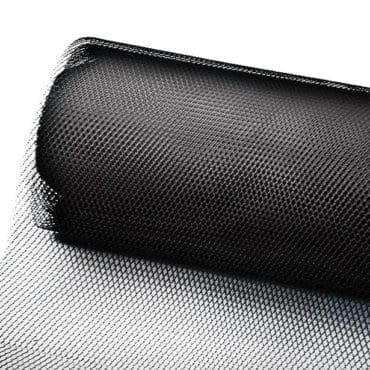
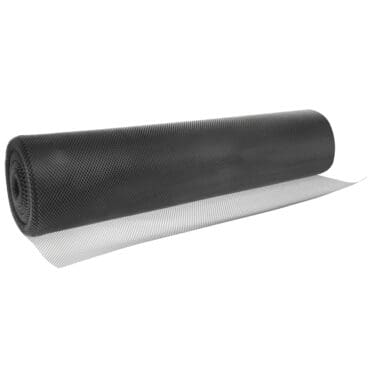
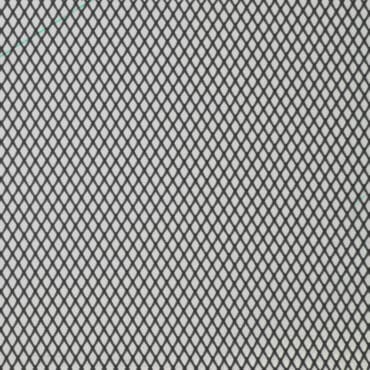
Vexar is a brand often associated with a plastic mesh or screen material. This liner is fundamentally different from the paper-based options as it prioritizes durability, drainage, and reusability (or extended use).
| Feature | Description |
| Material | Durable, non-absorbent plastic mesh or screen. |
| Primary Benefit | Creates an elevated platform for drainage and superior airflow. |
| Texture/Look | Open mesh/grid structure, typically in black or red. |
| Best For | Seafood (especially shellfish or fish on ice), items prone to condensation, or applications requiring maximum airflow and a slightly elevated presentation. |
| Key Advantage | Non-absorbent and designed for optimal air circulation, keeping chilled products fresher for longer and preventing waterlogging. |
Key Benefits of Vexar:
- Maximum Airflow/Drainage: The open mesh allows air to circulate fully around the product and facilitates immediate drainage of meltwater (if used with ice) or condensation.
- Non-Absorbent: Since it doesn’t absorb liquids, it’s easy to clean, rinse, and often suitable for extended use before needing replacement.
- Tough and Resilient: The plastic material resists tears and punctures better than paper-based liners, making it ideal for heavier or irregularly shaped cuts.
Summary Comparison Table
| Feature | Celluliner (Absorbent Paper) | SureGrip (Textured/Non-Slip) | Vexar (Plastic Mesh/Screen) |
| Primary Action | Absorbs and contains liquid. | Stabilizes and prevents sliding. | Promotes drainage and airflow. |
| Material | Multi-Ply Paper with Backing | Textured Paper/Plastic Hybrid | Plastic Mesh/Screen |
| Ideal Use | Raw Meat, Poultry, Seafood Purge | Deli Trays, Cheese, Cured Meats | Seafood on Ice, High-Condensation Items |
| Visual Look | Clean, Solid Color (Black) | Traditional Woven/Wicker Pattern | Open Grid/Elevated Mesh |
Conclusion
The best deli or butcher case liner is the one that is perfectly suited to the product being displayed.
- For a tidy, leak-free display of raw meats, Celluliner is the optimal choice due to its superior absorption.
- To prevent expensive sliced meats and deli trays from shifting on sloped shelves, SureGrip provides necessary stability and a handsome presentation.
- When maximum drainage, airflow, and durability are required, such as with fresh fish on a bed of ice, Vexar mesh is the clear winner.
By selecting the right liner for each section of your case, you ensure not only the cleanliness and longevity of your equipment but also the high-quality presentation that encourages sales.